Videos are one of the most popular and most widely shared content formats on big social media platforms. It’s entertaining, it’s convenient, but it comes with a big risk that many people overlook.
This risk is related to the authenticity of videos.
There have been many incidents where people published videos of an event, claiming it to be the video of a totally different event.
This type of misinformation creates confusion, and we can no longer believe every video we see online. It not only spreads wrong information, but sometimes the consequences can be so severe that they can put people’s safety at risk.
This is precisely why checking video authenticity before you share it online is extremely important. The points we will discuss in this article are going to back up this claim.
What Does Checking Video Authenticity Mean?
Checking video authenticity means clarifying three major things:
1. Is the video real?
You need to check if the video is real. Look for signs that signal that the video has been edited or generated entirely by AI.
2. Where did the video come from?
Checking the original and the earliest source that posted the video is a major part of checking a video’s authenticity. It tells you who is the first publisher or owner of the video and if someone else has reposted it.
3. Does the video genuinely show what it claims?
Even if a video is real, it can claim a completely different story. For example, a person can share a football goal from a team playing in a Champions League match and claim it to be a LaLiga match. Verifying the claim helps clear up these confusions.
Why is it Important to Check a Video’s Authenticity Before Sharing it Online?
There are many reasons why it has become an absolute necessity to check a video’s authenticity before you click the ‘share’ button online. Here are the most important ones:
A Real Video Can Still Carry a False Story
A video can be real, authentic, and shot in real time, and still claim a false story. It usually happens with videos that do not have any specific visual clue that helps viewers identify when and where it was shot or published.
A very big case related to this issue was the Baltimore bridge collapse incident when the Francis Scott Key Bridge collapsed in March 2024 after a container ship struck it.

Soon after, people started sharing footage of the 2022 Crimea Bridge explosion and claiming that it showed the Baltimore bridge collapse.
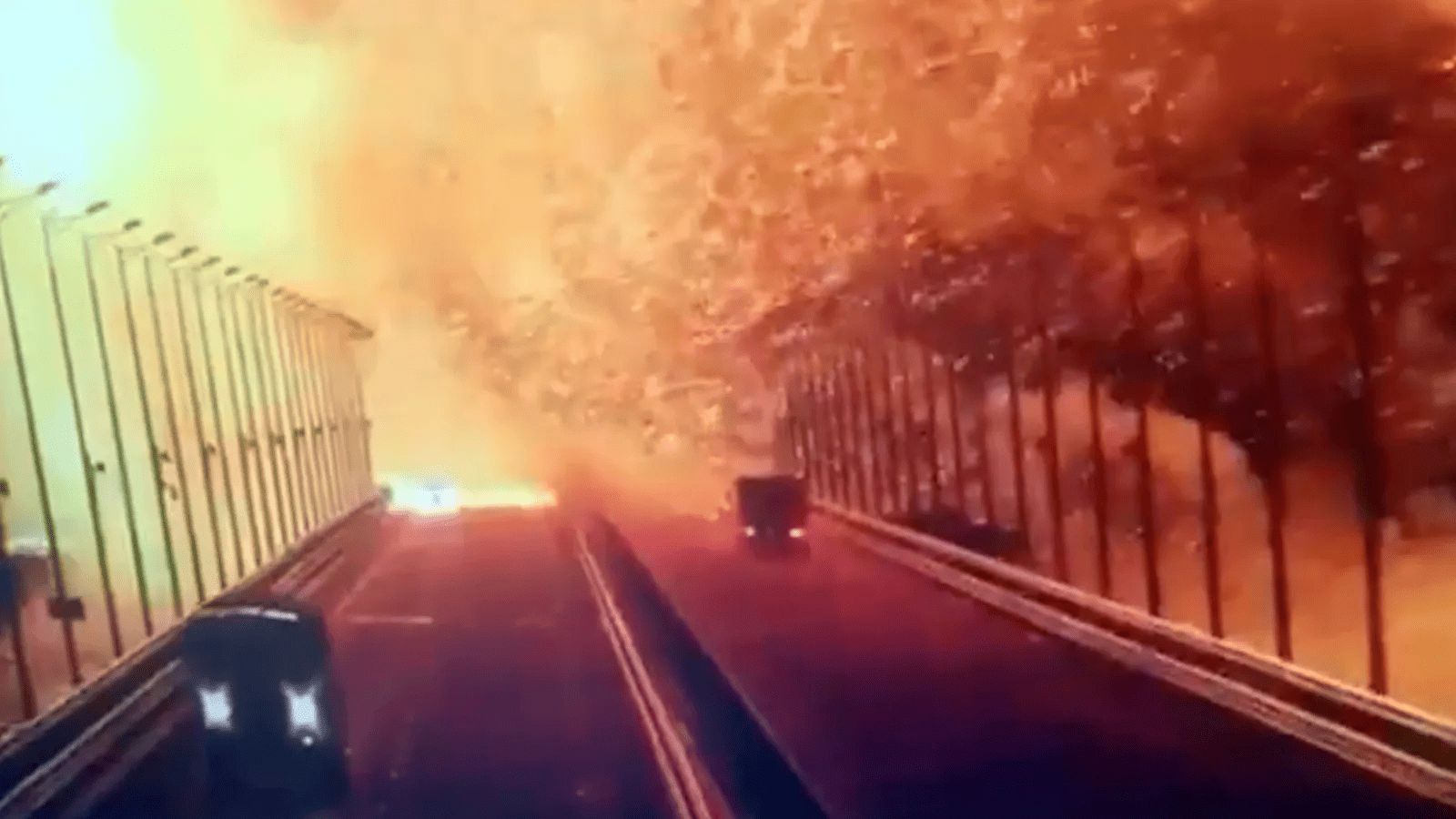
This created confusion among people, and many mixed up both events.
Old Videos Can Resurface During New Events
It’s very common for old videos to resurface online in the context of new events. Old videos are used either as evidence or context to explain a new event or the claims around it.
One example of this happened recently after Argentina’s win against Egypt and loss against Spain in the FIFA World Cup 2026.
It created controversy surrounding Messi. People were raising the issue that Messi has been silent on the Palestine/Israel conflict. To back up Messi, his fans started publishing a video of the Palestinian Football Association (PFA) president thanking him.

The fans claimed that the president thanked Messi for visiting Palestine and playing a charity match.
In doing so, they started claiming that this video was from Messi’s visit to Palestine for a Peace Tour back in 2013.
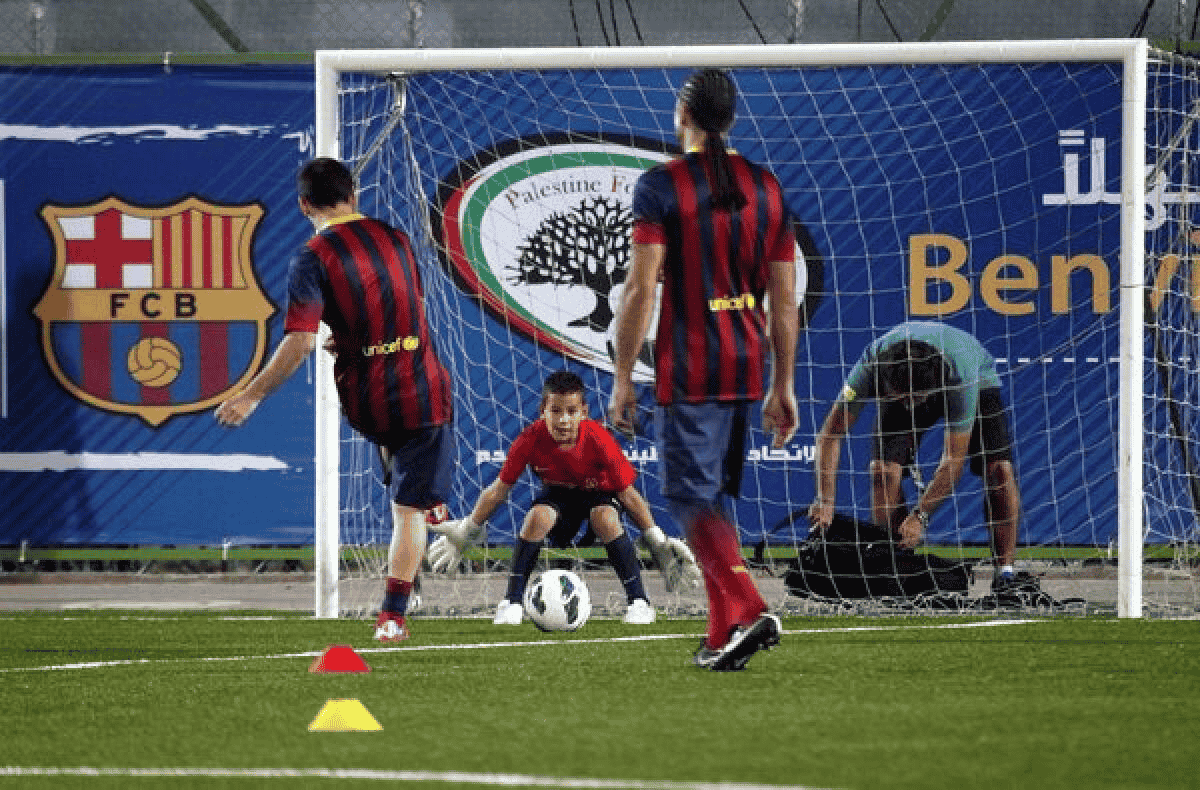
However, the video of the PFA president thanking Messi was actually from 2018, when Argentina decided not to play the charity match against Israel.
Such events make checking video authenticity even more important.
Misleading Videos Can Affect How People Understand an Event
Sharing videos online without verification becomes serious when it’s about more than a sports debate. Edited and falsely claimed videos can affect how people understand an event. This factor becomes very sensitive, sometimes even dangerous, when the video is about a political, religious, or cultural context.
For example, someone can post a video of only one part of a politician’s speech where they claim they said something controversial or offensive. This can affect people who have not watched the full speech and don’t know the actual context behind it.
It Can Damage Someone’s Reputation
Sharing unverified videos can affect people on a personal level as well. Now that technologies like deepfakes are becoming easily accessible, people are using them the wrong way for several reasons.
Misleading videos can show someone saying what they never said, or doing what they never did. If you share these videos without any verification, you might be damaging someone’s reputation.
It Can Make the Original Source Harder to Find
Sometimes, content creators and content researchers have to find the original source of an online video to learn when, where, and why it was posted online. If the shared videos are edited, cropped, or taken out of context, the researchers will have a very hard time finding the original source to understand what actually happened.
How to Verify the Authenticity of a Video Before Sharing it Online?
Verifying the authenticity of a video is somewhat of a moral duty for everyone to avoid spreading misinformation accidentally. Unfortunately, not many people who want to verify what they share actually know how to do it.
To verify authenticity, you mainly have to follow 5 major steps:
-
Check for visual clues
-
Check the claim
-
Check the account that shared the video
-
Compare the found videos
Now, let’s go deeper and discuss each step in detail.
Step #1. Check for visual clues
First of all, you should watch the video carefully and look for visual clues that can tell whether the video is fake. For example, if there are odd and awkward things, such as unnatural shapes of body parts or objects changing shape between frames, the video might be generated by Artificial Intelligence.
Step #3. Check the claim attached to the video:
Next, you have to check the claim made by the person who shared the video. People usually make these claims in post captions, captions added in the video, or a voice-over. Note down important details such as what happened, people included in the video, landmarks, dates, etc.
By checking these claims, you will know whether the video is suspicious. For example, if a video claims a recent protest near the Eiffel Tower but the landmarks in it don’t seem to be from that area, you will have a reason to question the claim and verify it more deeply.
Step #3. Check the account that posted the video
This is the age of what some online geeks call “engagement farming”. Many people create online profiles and share controversial videos just so that they can get more social media engagement.
This is why the next step is about checking the account that posted the video. There are millions of so-called professional news or fan accounts that are sharing unverified videos. You should check the account deeply and see what type of videos it has been posting, what type of people follow the account, comments, claims, etc.
Doing this will help you understand whether it is a professional and reliable account or if you need more investigation before you click the share button.
Step #4. Do a reverse video lookup
Doing a reverse video lookup is important if you want to know where a video was posted first, and which account posted it. It’s an important step for people who are investigating the context behind the claims.
This is where Reverse Video Search comes into the scene. This tool is designed to help people verify videos before they share them online. It conducts deep online research on more than 50 online platforms to find the original post.
Besides the original post, it also shows similar videos, which help with cross-checking multiple versions of the video.
All you have to do is input a screenshot, a full video, or a relevant keyword in the tool, and it will show you the original post along with similar videos so that you can verify the post before sharing it.
Step #5. Compare the found videos
Finally, it’s time to compare all the videos that you have found to confirm the authenticity of the video.
By now, you already have enough data to make a judgment call. To be sure, you should compare the date, location, people, and other details shown in each video so that you can see if they actually match the claim.
You can do this by checking the footage frame by frame and looking for differences in the background, people, landmarks, or other visual details.
Final Thoughts
Sharing unverified video is a lot more dangerous than people think. Most of the time, it can seem genuine and authentic and still be entirely wrong in context. Sharing an unauthentic video can spread misinformation, make people understand an event in the wrong way, and even hurt people’s reputation on a personal level.
This is why you should check the video deeply, investigate the account deeply, and conduct a reverse video lookup to verify the authenticity of a video before sharing it.
Frequently Asked Questions (FAQs):
How can you tell if a video is authentic?
The best way to tell if a video is authentic is by checking its original source, context, and the claims attached to it. Besides this, finding similar videos and then doing a comparison can also help.
How can you find the original source of a video?
You can find the original source of a video by doing a reverse video lookup. It helps you dig up information about who posted it in the first place and what the context was behind it.
How can deepfakes make video verification harder?
The deepfake technology has become insanely realistic. It can create videos of real people with very accurate facial features. As a result, it can fool both online tools and human judgement and make verification hard.
Can a verified account share fake videos?
Yes. Even verified online accounts can share fake videos. These accounts are run by humans, and humans can make mistakes. So, just because a verified account shared a video doesn’t mean it’s always 100% authentic.
Is reverse video lookup enough to verify a video’s authenticity?
No. Reverse video lookup is only one step in the verification process. It mainly gives you the originally posted video and similar posts. You still have to verify dates, captions, claims, etc., with your human judgement.